

Coral Reef Monitoring

Back to Research Index
 

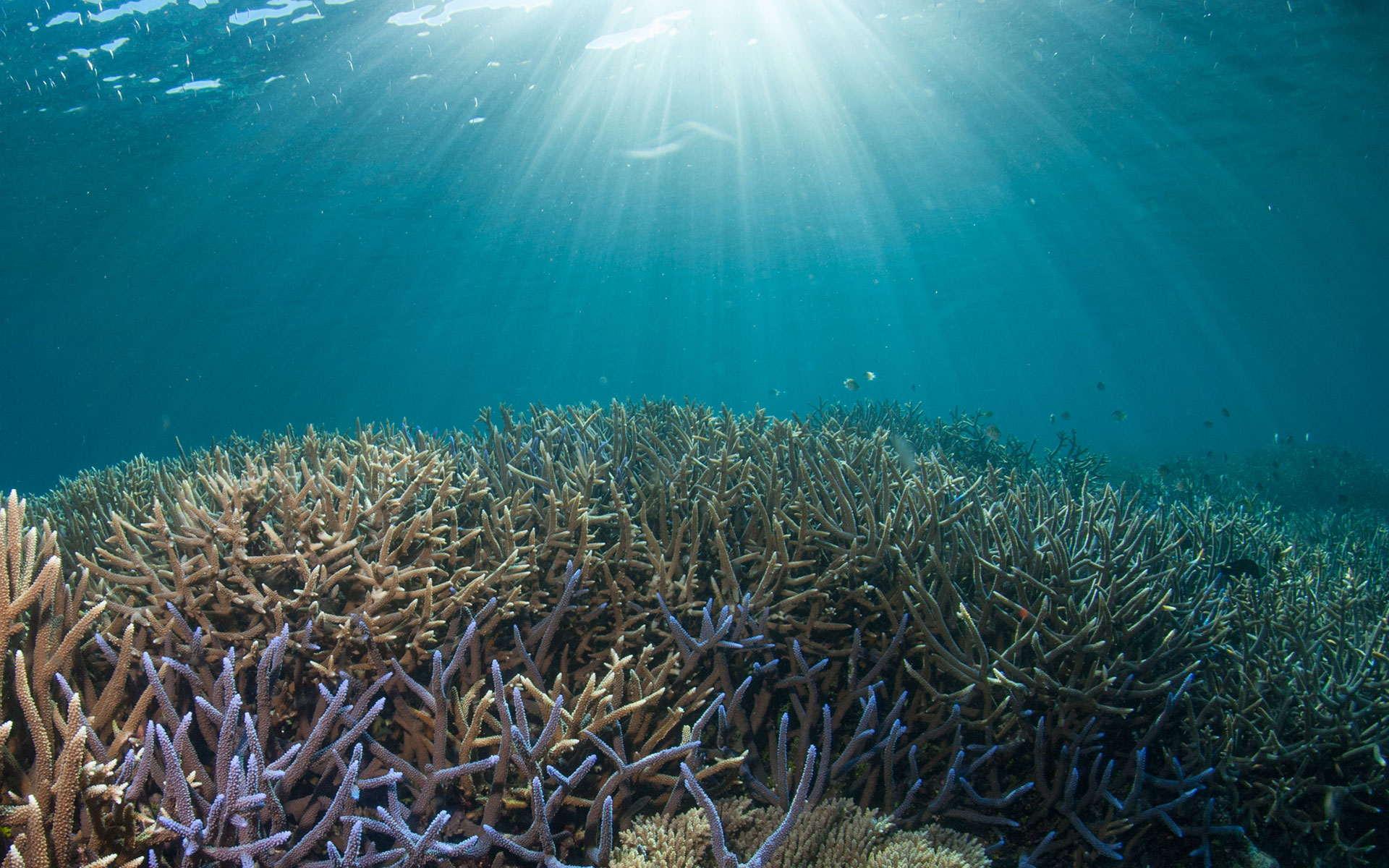
CRRF initiated a monitoring program for coral reefs at the start of the extreme bleaching event in summer 1998. Presently, we have a water temperature monitoring network of more than 30 recording thermographs installed on the reefs of Palau. This network provides a comprehensive picture of thermal dynamics on the reef tract. The thermograph network is designed to cover the marine lakes, the horizonal extent of shallow water reefs, and changes with depth on the barrier reef. Thus, we are able to reconstruct temperature variations affected by internal waves, tides, weather events, and El Niño/La Niña cycles, and to evaluate their effects on the biota of Palau (e.g. bleaching).


Thermograph sites
 

The vertical arrays consist of up to six recording thermographs between 2 and 90 meter depths, providing an unparalleled view of the thermal dynamics of the water column at a tropical coral reef.


Shallow water temperatures,
1999-2001
 

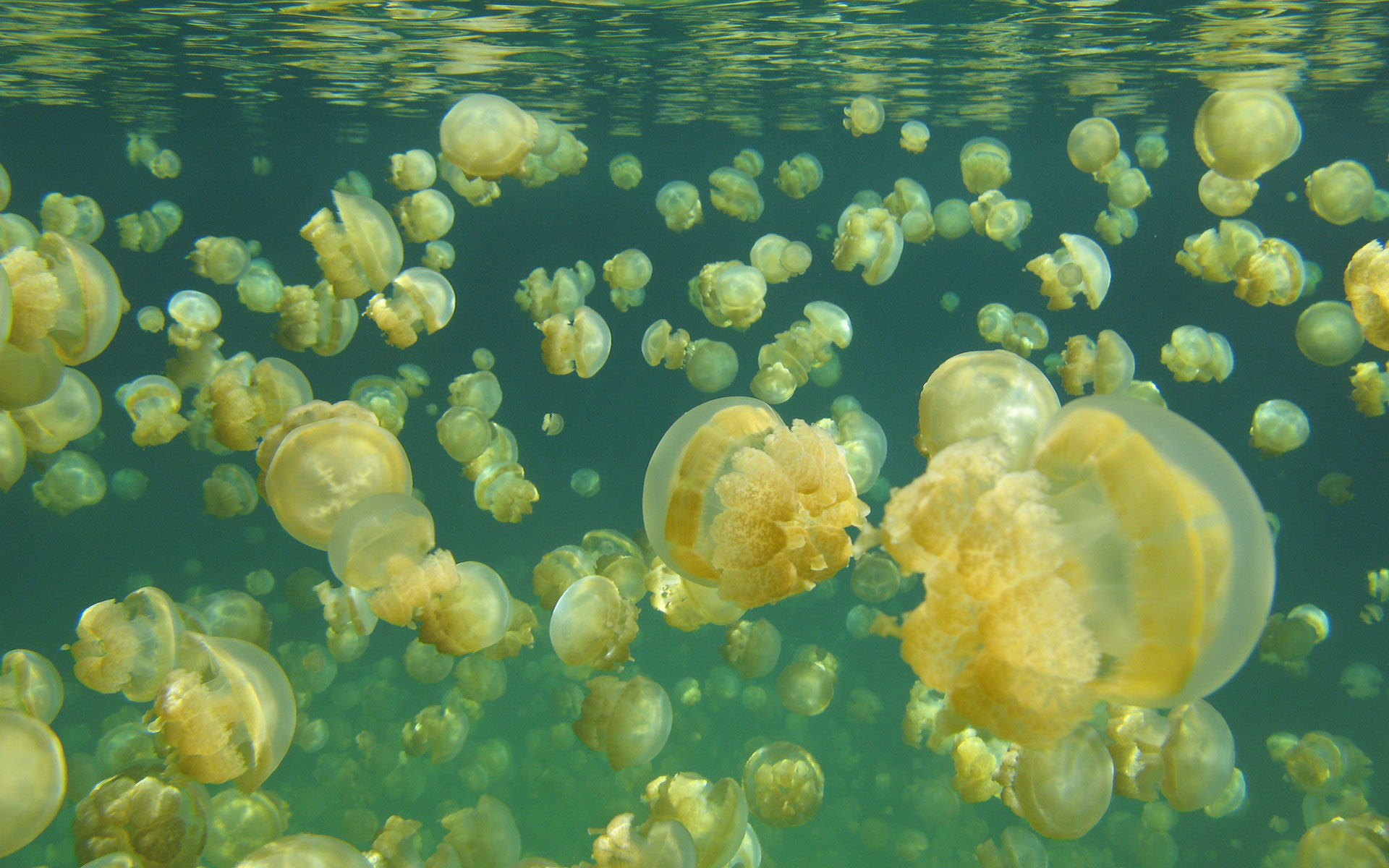
The marine lake series currently consists of thermographs at 6 meters and 11 meters depth in three marine lakes (Big Jellyfish Lake, Goby Lake, Ongeim'l Tketau) and at 6 meters in two coves (Big Jellyfish Cove, Risong Cove). In the lakes, half-hourly temperature measurements are backed up with monthly vertical profiles of temperature, salinity, and oxygen fluctuations, water clarity, and censuses of zooplankton and jellyfish populations.


Vertical array data 2001


Colin, P.L. 2001. Water temperatures on the Palauan reef tract: year 2000. CRRF Technical Report No. 1. Pp. 17. Coral Reef Research Foundation, Koror, Palau.     PDF (5.4 MB)     PDF (468 KB)


Problems with this page? Please contact webmaster